Custom Bag Sampling: From Brief to Written Approval
Customization & Branding
Review custom bag samples with a practical checklist for materials, contents fit, artwork, construction, revision records and written approval before bulk production.
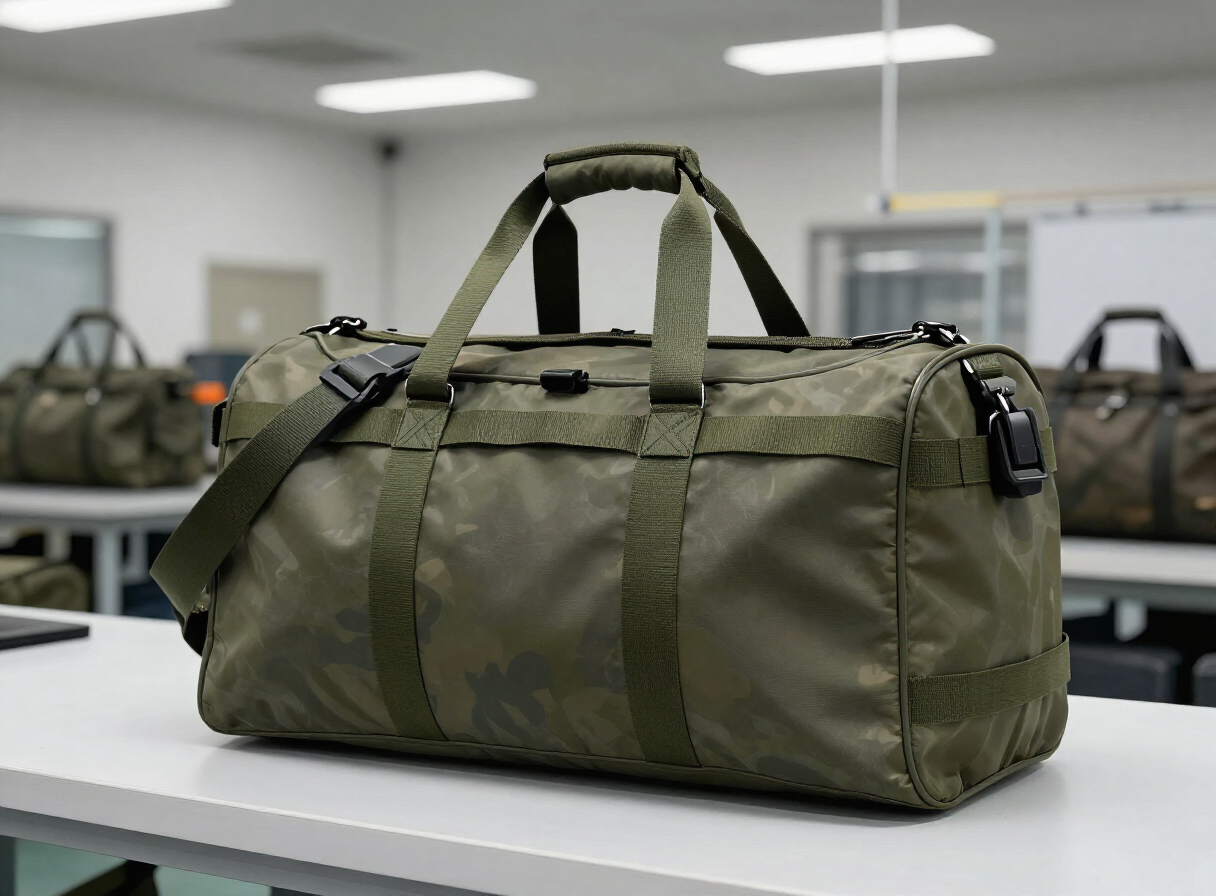
A custom bag sample is only useful if you know which stage it represents and what you are checking at that stage. Samples move through four stages — a fit prototype, a material and artwork review, a pre-production sample, and a written release — and each stage answers a different question. This checklist walks through what to confirm at each stage so that approval is a recorded decision, not a feeling. Ronta (Xiamen) Co., Ltd builds samples stage by stage at its Xiamen factory.
Stage 1 — fit prototype
A fit prototype answers one question: does the shape, size, and compartment layout work for the contents? It may be built from substitute materials, and that is acceptable at this stage — but only if the substitute is flagged. Confirm the overall dimensions against the tech pack, check that the intended contents fit, and verify the carry structure sits right. A fit prototype is not automatically the approved pre-production reference; record which materials it uses and which decisions remain open.
Stage 2 — material and artwork review
At this stage you confirm the actual shell fabric, lining, foam, webbing, and hardware against the spec, and you review the artwork — logo method, size, placement, and color. If a sample uses substitute materials, the differences must be listed in writing: which component is a stand-in, and what the bulk material will be. Color is checked against the approved reference under daylight, not factory lighting. This is the stage to catch a material or artwork problem before it reaches the pre-production sample.
Stage 3 — pre-production sample
The pre-production sample is the one that matters most. It should be built from the actual bulk materials on the actual production line, and it becomes the reference the finished lot is compared against. Before you sign it off, verify in writing that the shell, lining, foam, webbing, thread, zippers, and hardware are the actual bulk materials — not substitutes carried over from an earlier stage. If any component is still a substitute, list it and confirm the bulk replacement before release. A pre-production sample in substitute materials is not a reliable reference for bulk.
Stage 4 — written release
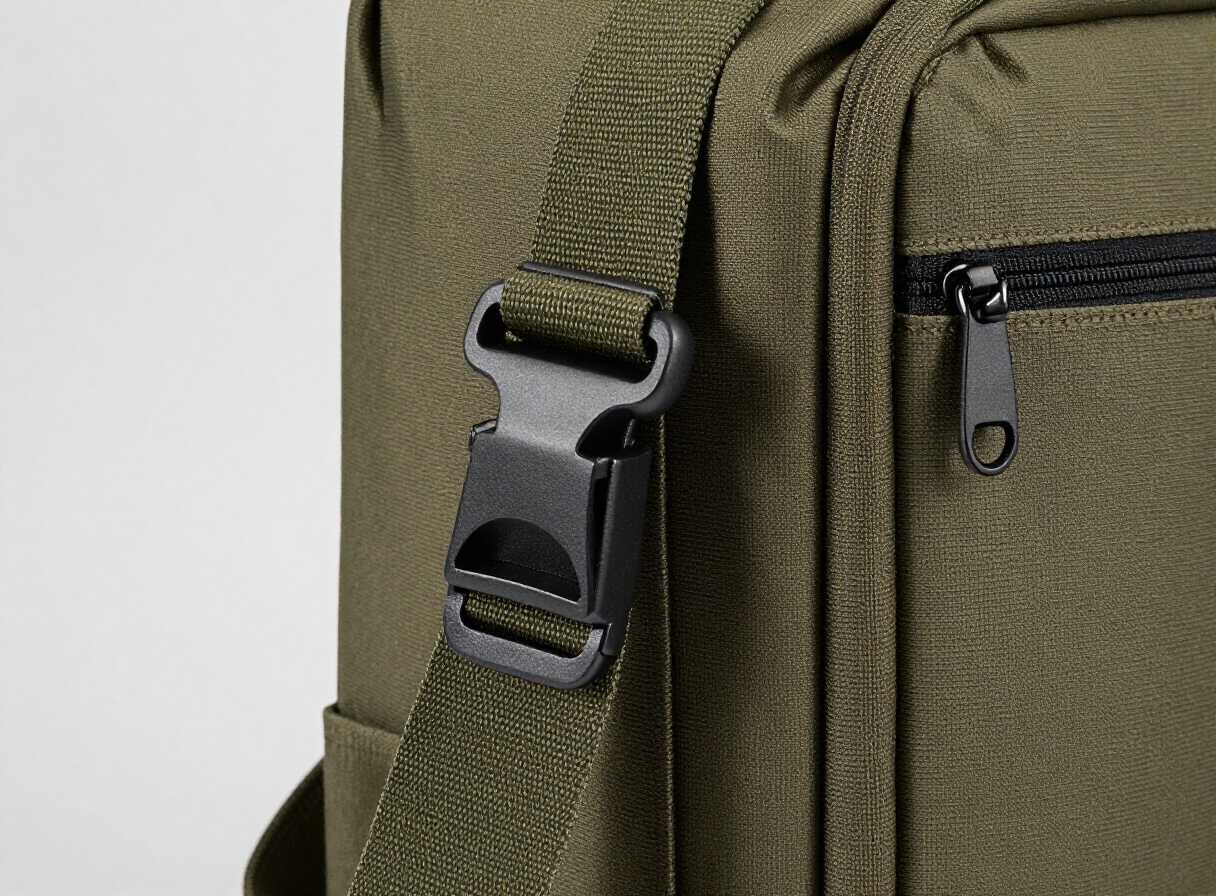
Approval is a written decision, not a verbal one. Record the sample stage, the spec revision it represents, any accepted deviations, and the conclusion. The conclusion is one of three: approve (release for bulk), revise and resubmit (a new sample is required), or hold (bulk does not start). List the open issues that must close before bulk, and state the effective spec revision. Without a written release, there is no recorded reference for what bulk was supposed to match — and no clean handoff to inspection.
Sample review checklist
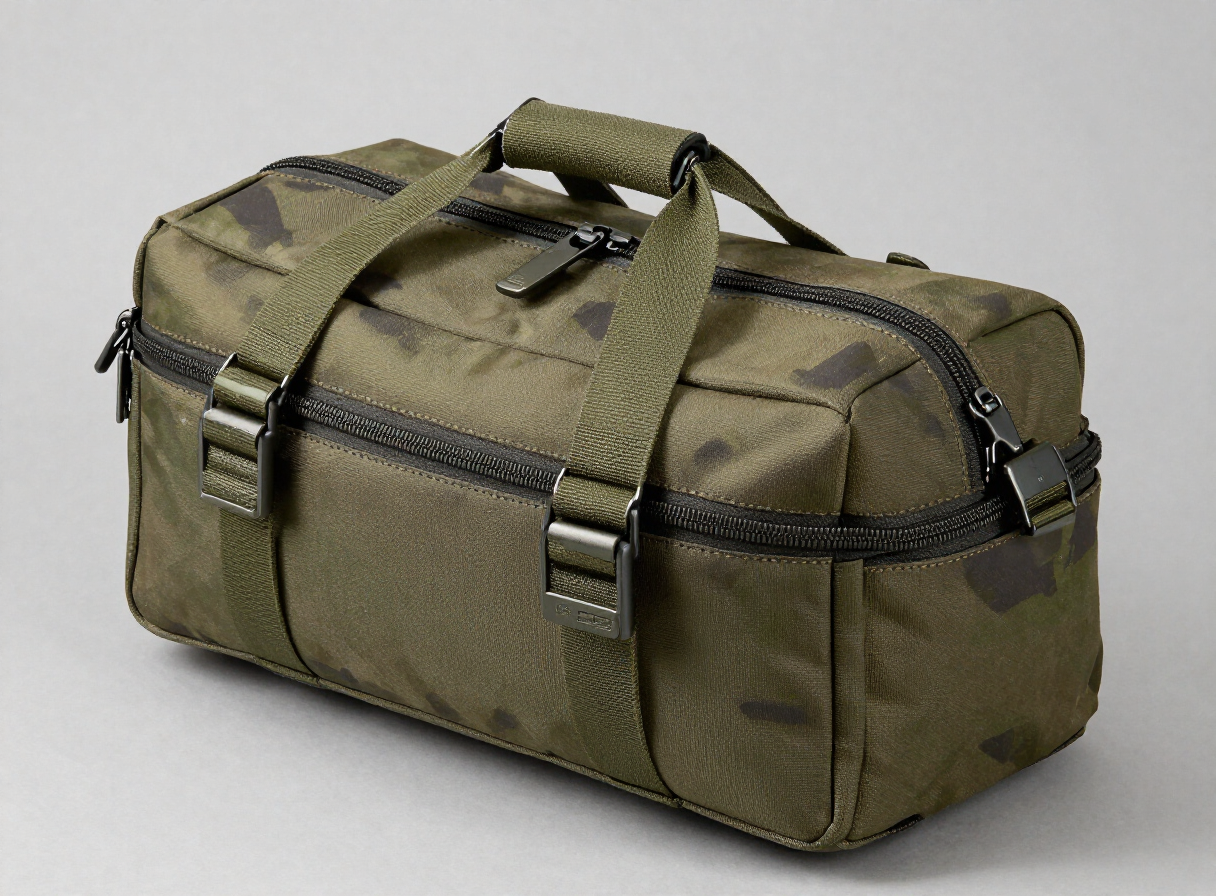
Use this checklist at the material and pre-production stages. Record each result rather than judging by eye.
| Check | What to confirm |
|---|
| Dimensions | Overall size and each critical dimension, measured at defined points against the tech pack, with the agreed tolerance. |
| Contents fit | That the actual intended contents fit the compartments — not a visual estimate. |
| Zipper and hardware | Cycle every zipper, snap every buckle, confirm hardware function and brand against the spec. |
| Logo and artwork | Logo method, size, placement, margin to edges, color against the reference, and legibility of any text. |
| Carry structure | Strap, handle, and harness geometry; adjustment range; how the loaded bag carries. |
| Construction | Seam type, bar-tack positions at specified stress points, seam allowance, and thread trim. Stitch density is agreed per project, not assumed from a generic number. |
| Packing | Polybag, hangtag, care label, and carton mark against the packing spec. |
| Deviations and revision | Any deviation from the spec, its revision number, and whether it is accepted, must-fix, or hold. |
| Conclusion | Approve, revise and resubmit, or hold — with open issues and the effective spec version. |
What a sample cannot guarantee
A sample cannot guarantee that every bulk piece is identical to it, that sampling takes a fixed number of days, or that a sample fee is refunded. Sample lead time depends on whether fabric is stock or Pantone-dyed, whether tooling or prints are new, and the factory load — confirm it per project. A sample fee, if charged, is confirmed in the quotation; whether it credits toward bulk is a commercial term, not a default. And pulling hard on a strap by hand is a handling check, not a load test — a load test needs its own method, sample, and pass criteria agreed separately. Related guides: How to write a custom bag specification sets up the spec a sample is built from; the AQL inspection checklist covers how the finished lot is accepted. For category-specific sampling, see the makeup bag manufacturer and lunch bag manufacturer pages.
To plan a custom bag sample, email sales@xmronta.com with your tech pack or reference — Ronta (Xiamen) Co., Ltd replies with the sample stages, cost, and lead time.
Frequently Asked Questions
Can I start sampling without a complete tech pack?
Yes, but the earlier stages will be exploratory. A fit prototype can be built from a sketch and a reference, but a pre-production sample needs a settled spec — dimensions, materials, hardware, and artwork. The clearer the spec, the fewer sample rounds you need. See the custom bag specification guide for how to build one.
What if the sample uses substitute materials?
Substitute materials are acceptable at the fit and material-review stages, but they must be listed in writing — which component is a stand-in and what the bulk material will be. Before the pre-production sample is released, confirm in writing that the actual bulk materials are in the sample. A pre-production sample in substitutes is not a reliable bulk reference.
What affects sample cost and lead time?
Sample lead time depends on whether the fabric is stock or Pantone-dyed, whether prints or tooling are new, and the factory load — it is confirmed per project, not fixed. A sample fee, if charged, covers materials and labor; whether it credits toward bulk is a commercial term confirmed in the quotation.
How is sample approval recorded?
Approval is a written decision with one of three conclusions: approve (release for bulk), revise and resubmit (a new sample is required), or hold (bulk does not start). The record states the sample stage, the spec revision, any accepted deviations, the open issues that must close, and the effective spec version.
How do revisions work on a reorder?
On a reorder, the approved pre-production sample and its spec revision are the reference. Any change after release is issued as a numbered revision with its cost and lead-time impact stated in writing. The reorder is compared against the last approved revision, not the original sample, so spec drift is caught.
Plan a Custom Bag Sample
Email: sales@xmronta.com
Browse the site: Home · Bags Manufacturing · Portfolio · Knowledge Base · FAQ · OEM & ODM Service · Contact · Our Factory